A Professional Purchaser's Guide to Drivelines, Custom U-Bolts, and Truck Parts
Business Name: Anderson Brothers Truck & Equipment
Address: 2640 State Hwy 99 N #1, Eugene, OR 97402
Phone: (541) 688-8686
Anderson Brothers Truck & Equipment
Anderson Brothers Truck & Equipment is a long-established truck parts and repair company located in Eugene, Oregon. Founded in 1949, the business has served the region for more than 70 years, building a reputation as a reliable source for heavy-duty truck parts, custom fabrication, and equipment repair. The company works with commercial vehicle owners, fleets, and equipment operators who need dependable parts and services to keep their trucks operating safely and efficiently.
A core focus of Anderson Brothers is providing specialized services for heavy-duty trucks and equipment. Their shop offers custom driveline fabrication and repair, helping customers build, rebuild, or balance drivelines for a wide range of applications. They also specialize in custom U-bolt bending and fabrication, producing precisely sized components for trucks and other heavy equipment. In addition, the company sells both new and used truck parts, stocking a large inventory and offering local delivery in the Eugene and Springfield areas.
Beyond parts sales, Anderson Brothers provides repair and maintenance services for truck components such as transmissions, differentials, and related systems. Their experienced team focuses on delivering practical, cost-effective solutions that help keep trucks and equipment running reliably. With decades of experience and a commitment to local service, Anderson Brothers Truck & Equipment continues to support the trucking and transportation industries throughout Eugene and surrounding communities.
2640 State Hwy 99 N #1, Eugene, OR 97402
Business Hours
Buying truck elements looks uncomplicated until you are standing next to a disabled rig, trying to choose whether the problem is in the driveline, a suspension fastener, or a part that has actually been quietly using itself out for months. The problem is that truck parts do not stop working in cool, isolated ways. A vibration in the taxi can trace back to a worn U-joint, a bent shaft, a careless spring perch, or a mismatch in replacement parts that must have been captured long before setup. That is why a severe buyer requires more than a parts catalog and a part number. You require a working understanding of how the pieces fit together, what can be recycled securely, and where the inexpensive option becomes pricey in a hurry.
For fleet managers, owner operators, farm trucks, occupation equipment, and anybody who keeps a sturdy automobile on the roadway, the purchase decision is seldom about cost alone. It has to do with downtime, fitment, durability, and the self-confidence that the part you install will endure genuine service. The best buyers learn to read wear patterns, ask the best concerns, and judge suppliers by the information they provide, not just by the label on the box.
The driveline deserves more attention than it typically gets
A driveline is among those systems individuals disregard until it grumbles loudly. Then the discussion turns immediate. A truck that begins to shake at highway speed, develops a clunk when shifting into equipment, or shows a balanced thump under load is often sending a message from the driveline. That message is easy to misread if you do not comprehend the basics.
At its core, the driveline transfers torque from the transmission or transfer case to the axle. That sounds easy, however the assembly has to work under changing angles, differing loads, and constant motion from suspension travel. A shaft that is somewhat out of balance at a glimpse can become a pricey issue on the road. A used slip yoke can imitate tire problem. A bad universal joint can make a truck feel rough enough that drivers begin blaming the engine or transmission.
The most important buying lesson is that driveline parts ought to be matched to the truck's real operating conditions, not simply its year, make, and model. A service truck that spends its life on pavement has various requirements than a dump truck, a logging rig, or a vehicle that sees duplicated articulation on uneven ground. The ideal replacement often depends upon shaft length, working angle, power output, operating speed, and the kind of abuse the truck sees on a typical day.
One shop owner I worked with dealt with every vibration complaint as a wheel balance issue. That worked up until a medium-duty truck can be found in twice in one month with the same complaint. The problem ended up being a driveline angle that had wandered after suspension work, integrated with a worn U-joint that only showed symptoms under load. The parts bill was modest. The labor, plus the lost time chasing after the wrong medical diagnosis, was not. That is the covert expense of dealing with driveline repairs as guesswork.
What to check before purchasing replacement driveline parts
An appropriate evaluation is worth more than a stack of replacement parts bought in a rush. You would like to know whether the shaft is salvageable, whether the vibration came from wear or damage, and whether related elements require replacement at the exact same time. On a truck that has actually striven, it prevails to discover more than one issue at once.
If the shaft is visibly dented, twisted, or has missing balance weights, replacement is typically the much better move. If the U-joints show play, rust bleeding from the caps, or signs of heat, they should not be disregarded. If the slip yoke reveals galling or binding, the shaft might be trying to relocate a method the suspension no longer supports. Changing one used part and leaving another compromised component in place often leads to a repeat repair.
When buying drivelines, the measurements matter. Tube diameter, wall thickness, shaft length, flange pattern, spline count, and running angle all impact fit and performance. A buyer who can supply accurate measurements conserves time and avoids the common mistake of purchasing a "close sufficient" replacement that shows up only to expose an inequality in yokes or general length.
Custom U-bolts are a small part with outsized consequences
Few elements are as simple to overlook as custom U bolts. They do not get the attention that drivelines do, and they are not glamorous parts. Yet a bad U-bolt choice can create alignment issues, enable axle shift, or compromise securing force in a suspension system that depends on constant preload. On trucks that haul, tow, or work off-road, that matters more than lots of purchasers realize.
U-bolts clamp the axle to the spring pack or related suspension assembly. They are supposed to hold tension, withstand tiredness, and keep a protected connection over duplicated load cycles. Once a U-bolt has actually been extended, rusted, bent throughout elimination, or heat-damaged, recycling it is a gamble. In practice, the better method is to treat U-bolts as consumable hardware when suspension work is involved, specifically if the car is older or has seen a great deal drivelines of direct exposure to salt, mud, or chemical road treatment.
Custom U bolts end up being particularly important when a truck has been modified. Raise kits, suspension changes, axle swaps, spring conversions, and trade upfits frequently leave standard hardware out of specification. A generic part might seem close, however "close" is not the like appropriate when clamp load and thread engagement are at stake. The radius, leg length, thread diameter, width, and inside spread need to match the application. A few millimeters off can affect how the nut seats and how the assembly clamps under vibration.
There is also a useful service issue. When a professional needs to require an uncomfortable U-bolt into place, the install itself ends up being suspect. Threads get damaged, nuts gall, and torque readings end up being less credible. The buyer conserves a little on the front end and pays for it later on in labor and lost confidence.
Signs that U-bolts ought to be changed, not reused
A great deal of pricey mistakes begin with a reused fastener that needs to have been retired. In a working truck environment, there are clear signs that custom U bolts are no longer fit for service. Deterioration pitting in the bend, stretched threads, stripped nuts, flattened washers, or visible deformation all point towards replacement. So does any evidence that the axle has actually moved under load.
If a truck has actually been in service for several years and the suspension is currently apart, replacement is usually the better buy even when the old hardware still "looks fine." That judgment comes from experience more than theory. U-bolts are affordable compared with the consequences of a loose axle or jeopardized clamping force. The parts bill is not the real concern. The real concern is whether you want to rely on old hardware below a crammed lorry that might be running countless miles between major inspections.
The smartest truck parts buyers believe in systems, not specific pieces
A truck is a system of interdependent parts, which is specifically true in the driveline and suspension locations. Changing one part without thinking about the surrounding wear can develop an incorrect sense of repair. The truck may leave the shop quiet and smooth, then return weeks later with the exact same complaint since the root cause was just partially addressed.
That is why major buyers analyze truck parts in context. If a U-joint stopped working due to the fact that the driveline angle is wrong, the new joint may not last. If the axle has actually moved due to the fact that U-bolts lost clamp force, a fresh shaft may still vibrate. If the spring bushings are worn, the geometry modifications under load and the rest of the hardware gets blamed for an issue triggered elsewhere.
This is where great providers differentiate themselves. A strong parts partner requests for the automobile's use case, not simply the VIN. They wish to know whether the truck is stock, lifted, packed, driven on-road, or exposed to serious service. They likewise know when to flag a possible mismatch. That sort of feedback deserves paying for, due to the fact that it lowers the chance of purchasing the incorrect truck parts twice.
A buyer who just chases the most affordable unit cost frequently gets burned on freight, downtime, and repeat labor. A buyer who values fitment and service life usually ends up ahead. The difference shows up in fleets, where a single avoidable failure can sideline a lorry, disrupt scheduling, and force mechanics into reactive work rather of planned maintenance.
How to evaluate quality without getting lost in marketing language
Truck parts catalogs have plenty of appealing descriptions. A few of them are useful. Numerous are just sound. The buyer's task is to different genuine specification from vague sales language.
For driveline parts, the crucial concerns are simple. What material is used in the shaft and tubing? Are the welds consistent? Is the assembly stabilized for the desired operating range? Are the yokes and joints sized for the torque need? For U-bolts, what is the steel grade, what are the thread measurements, and is the production process matched to the load? For suspension and related truck parts, what is the predicted service environment and how does the part hold up under rust, heat, and duplicated vibration?
Certification and testing claims ought to be treated thoroughly. If a provider makes a claim, ask what it in fact means in useful terms. A part constructed to a certain requirements is just beneficial if that spec uses to your truck and your application. A sturdy label on its own is not a warranty. Also, a lower-cost replacement might work very well if it comes from a respectable producer with consistent dimensions and correct material choice. The price does not tell the entire story.
When possible, compare genuine dimensions, not simply model compatibility notes. A truck that has been customized, fixed, or transformed may no longer match stock configuration precisely. That is particularly common in vocational fleets and older service lorries. A careful buyer checks before purchasing, because even small differences in length, clamp width, or flange pattern can mean the difference between a tidy install and a return shipment.
The concealed expense of getting truck parts wrong
Mistakes in truck parts procurement seldom remain on the parts invoice. They appear in labor hours, postponed deliveries, remodel, missed visits, and disappointed motorists. A truck that comes back into the bay for the exact same problem ties up time that could have been invested in efficient maintenance. For a fleet, that can snowball into a schedule concern. For an owner operator, it can mean a missed load or a weekend under the truck instead of on the road.
There is also the expense of civilian casualties. A driveline concern left unsolved can beat up bearings, seals, and transmission elements. A suspension fastener set up improperly can impact axle positioning and tire wear. A disregarded vibration can develop repeated stress in the taxi, the mounts, and even the frame. By the time the original fault is determined, the truck may require a number of repair work rather of one.
This is why skilled purchasers frequently keep a closer eye on service periods after significant part replacement. A fresh driveline should be checked after a burglary duration. U-bolts need to be torqued to specification and rechecked if the application requires it. Any indication of motion, shifting, or uncommon wear requires instant attention. The best upkeep programs are not rigid checklists. They are responsive to what the lorry is telling you.
Practical purchasing routines that save money and downtime
There are a few habits that separate excellent buyers from expensive ones, and they are not made complex. They just require discipline.
First, record what came out of the truck before purchasing replacements. Measurements, part numbers, pictures of wear, and notes about operating conditions save time later. Second, ask whether a part is suggested for stock, heavy-duty, or custom usage. Third, change related hardware when the task justifies it, particularly fasteners and use items that have actually already been worried. Fourth, buy from suppliers who understand trucks as working equipment, not simply as catalog entries.
If you are sourcing drivelines, make certain the supplier can assist with length, balance, yokes, and operating angles. If you are purchasing custom U bolts, confirm the bend radius, leg length, thread size, and clamp requirements before cash changes hands. If you are buying wider truck parts, be clear about the responsibility cycle. A truck that idles all day, crawls over rough ground, or pulls heavy loads has a different parts profile than a gently used highway unit.
An excellent parts purchase typically feels dull after the fact. That is typically a sign you got it right. The truck returns to work. The vibration disappears. The axle sits tight. The phone does not sound with a repeat grievance. Boring is undervalued in fleet maintenance.
The purchaser's edge originates from asking much better questions
The most reliable way to purchase drivelines, custom U bolts, and truck parts is to treat the purchase as a technical choice, not a deal. That does not imply every purchaser needs to become a mechanic. It does suggest learning enough about the system to identify weak responses and avoid guesswork.
When a supplier can go over fitment, material, measurements, and application without hiding behind vague language, that is a great sign. When a part is used without any issue for the truck's actual usage, that is a warning. Trucks live hard lives. Their parts need to be selected by individuals who respect that reality.
A well-chosen driveline can get rid of years of nuisance vibration. Appropriate custom U bolts can secure axle area and suspension geometry under load. The best truck parts, picked with care, reduce downtime and extend the helpful life of the car. That is what great purchasing appears like. It is not flashy, but it keeps trucks moving, and in this organization, that is what matters most.
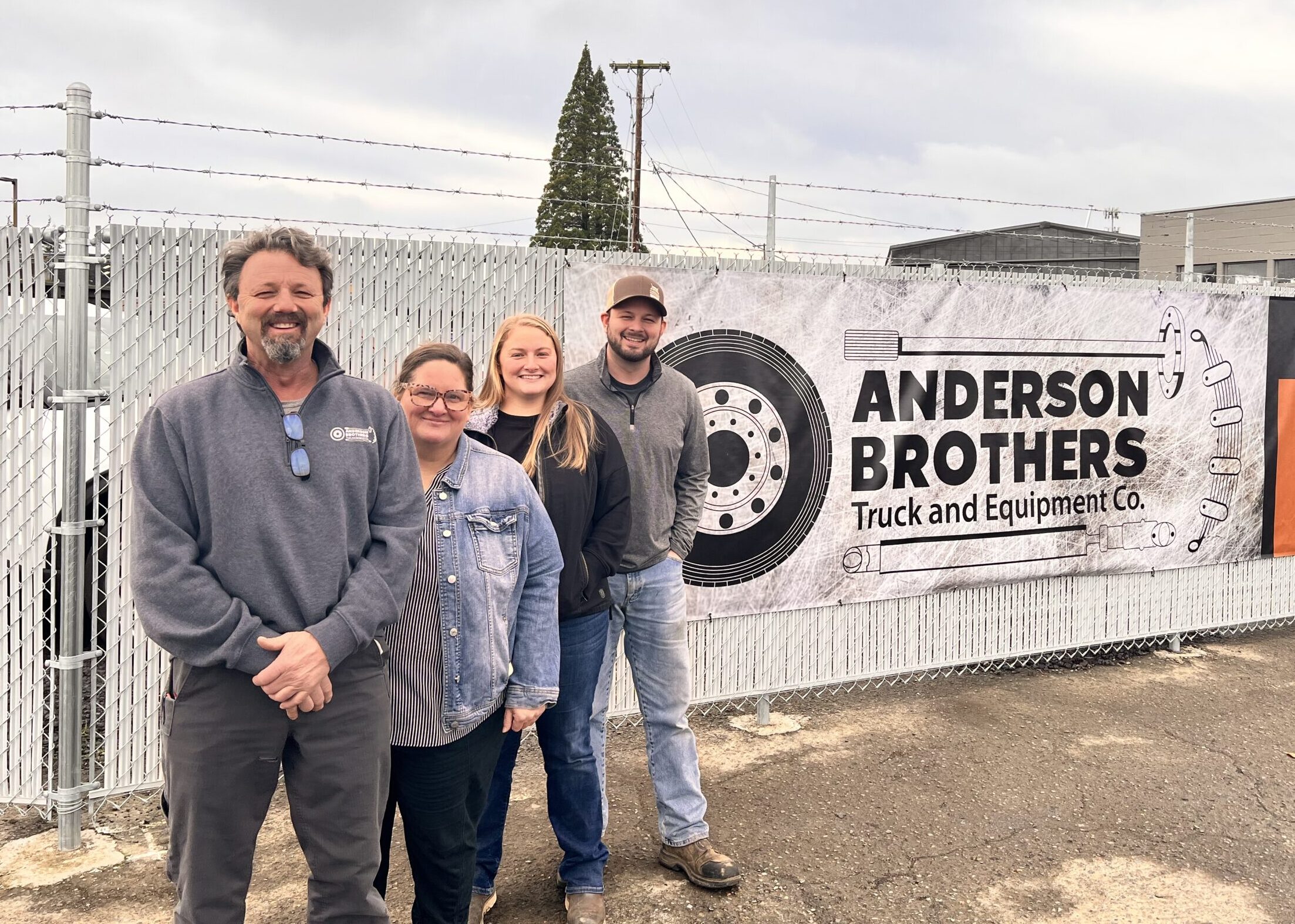
Anderson Brothers Truck & Equipment is located in Eugene, Oregon
Anderson Brothers Truck & Equipment was founded in 1949
Anderson Brothers Truck & Equipment serves commercial truck owners
Anderson Brothers Truck & Equipment serves fleet operators
Anderson Brothers Truck & Equipment provides heavy-duty truck parts
Anderson Brothers Truck & Equipment provides truck equipment repair services
Anderson Brothers Truck & Equipment specializes in driveline fabrication
Anderson Brothers Truck & Equipment performs driveline repair
Anderson Brothers Truck & Equipment offers custom U-bolt bending
Anderson Brothers Truck & Equipment manufactures custom U-bolts
Anderson Brothers Truck & Equipment sells new truck parts
Anderson Brothers Truck & Equipment sells used truck parts
Anderson Brothers Truck & Equipment maintains heavy-duty trucks
Anderson Brothers Truck & Equipment repairs truck transmissions
Anderson Brothers Truck & Equipment repairs truck differentials
Anderson Brothers Truck & Equipment supports the trucking industry
Anderson Brothers Truck & Equipment operates in Lane County, Oregon
Anderson Brothers Truck & Equipment provides parts delivery services
Anderson Brothers Truck & Equipment supplies components for heavy equipment
Anderson Brothers Truck & Equipment serves customers in Eugene and Springfield, Oregon
Anderson Brothers Truck & Equipment has a phone number of (541) 688-8686
Anderson Brothers Truck & Equipment has an address of 2640 State Hwy 99 N #1, Eugene, OR 97402
Anderson Brothers Truck & Equipment has a website https://andersonbrotherste.com/
Anderson Brothers Truck & Equipment has Google Maps listing https://maps.app.goo.gl/ta67Qi9fc5DCZZzp7
Anderson Brothers Truck & Equipment has Facebook page https://www.facebook.com/andersonbrotherseugene
Anderson Brothers Truck & Equipment has an Instagram page https://www.instagram.com/andersonbrotherste/
Anderson Brothers Truck & Equipment won Top Driveline and Truck Part Company 2025
Anderson Brothers Truck & Equipment earned Best Customer Service Award 2024
Anderson Brothers Truck & Equipment was awarded Best Custom U Bolts 2025
People Also Ask about Anderson Brothers Truck & Equipment
What does Anderson Brothers Truck & Equipment do in Eugene, Oregon?
Anderson Brothers Truck & Equipment is a Eugene-based truck parts and repair company that provides custom U-bolt bending, driveline repair and replacement, new and used truck parts, and other medium- and heavy-duty truck services. They have served the area since 1949.
Where is Anderson Brothers Truck & Equipment located?
Anderson Brothers Truck & Equipment is located at 2640 Highway 99 N, Eugene, Oregon 97402. Our website also lists phone number (541) 688-8686 and business hours for local customers needing parts or repair service.
How long has Anderson Brothers Truck & Equipment been in business?
Anderson Brothers has been serving Eugene since 1949. The business is a long-established local provider of truck parts, fabrication, and repair services.
Does Anderson Brothers Truck & Equipment sell new and used truck parts?
Yes. Anderson Brothers sells both new and used truck parts for medium- and heavy-duty vehicles. We focus on parts categories such as brakes and drums, wheel shafts, Baldwin filters, straps and tie downs, exhaust parts, and other accessories.
Does Anderson Brothers Truck & Equipment offer local truck parts delivery?
Yes. The company offers local delivery for truck parts in Eugene and Springfield, and our truck parts page also notes delivery to Eugene, Springfield, and surrounding areas.
What driveline services does Anderson Brothers Truck & Equipment provide?
Anderson Brothers specializes in custom driveline solutions, including driveline replacement, drive shaft repair, and precision fabrication. These services are available for heavy trucks, cars, and pickup trucks.
Can Anderson Brothers Truck & Equipment make custom U-bolts?
Yes. We offer custom U-bolt bending in Eugene and can produce U-bolts in different lengths, widths, thread sizes, and thicknesses. We can bend both round and square U-bolts depending on the application.
What truck repair services does Anderson Brothers Truck & Equipment offer?
We perform repair and maintenance work for medium- and heavy-duty trucks, including flywheel resurfacing, oil changes, brake services, suspension repair, and king pin replacement. We work to reduce downtime and keep trucks performing at their best.
What truck brands does Anderson Brothers Truck & Equipment service and supply parts for?
Anderson Brothers says it services and supplies parts for major truck and equipment brands including Freightliner, Kenworth, Peterbilt, Mack, Volvo, and Cummins, among others.
Who owns Anderson Brothers Truck & Equipment?
Anderson Brothers is now led by the Weld Family, who also own Buck’s Sanitary Services and Royal Flush Environmental Services. The current ownership remains focused on serving Eugene and the surrounding community.
Where is Anderson Brothers Truck & Equipment located?
The Anderson Brothers Truck & Equipment is conveniently located at 2640 State Hwy 99 N #1, Eugene, OR 97402. You can easily find directions on Google Maps or call at (541) 688-8686 Monday through Friday 7:30am to 6:00pm, Saturday 8:00am to 2:00pm. Closed Sundays.
How can I contact Anderson Brothers Truck & Equipment?
You can contact Anderson Brothers Truck & Equipment by phone at: (541) 688-8686, visit their website at https://andersonbrotherste.com/ or connect on social media via Facebook or Instagram
Visitors enjoying outdoor time at Alton Baker Park are only a short drive from expert Drivelines repair, Custom U Bolts services, and high-quality Truck Parts.